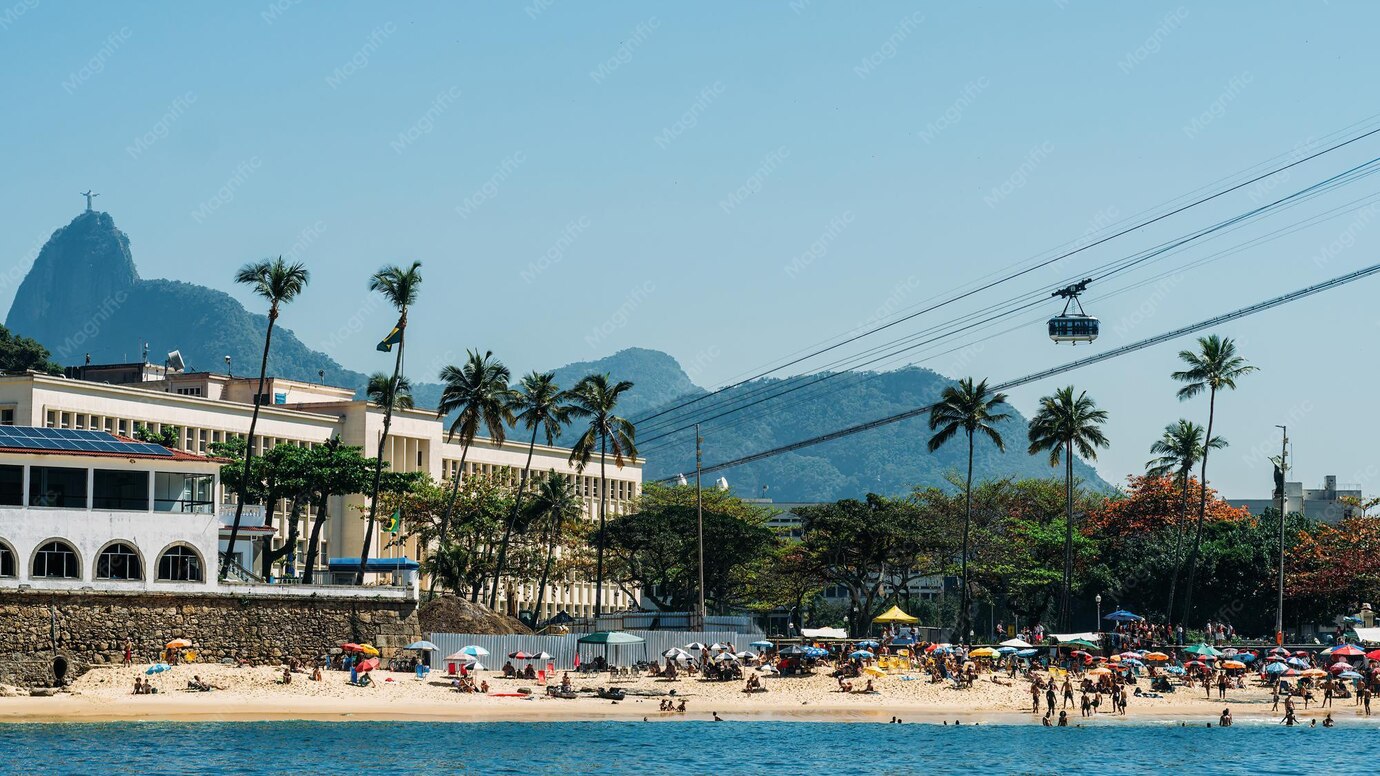
Praia Vermelha Base
Morning light
View of the initial cable car ascent from the beach sand.
The cable car up Pão de Açúcar has been climbing since 1912, and almost everyone now rides it holding a phone. What the lens actually gets — Guanabara Bay, Corcovado in profile, the curve of Praia Vermelha — depends on which stage, which side, and what hour. This page explains how the ride is built and how to plan around the light.
Quick answer
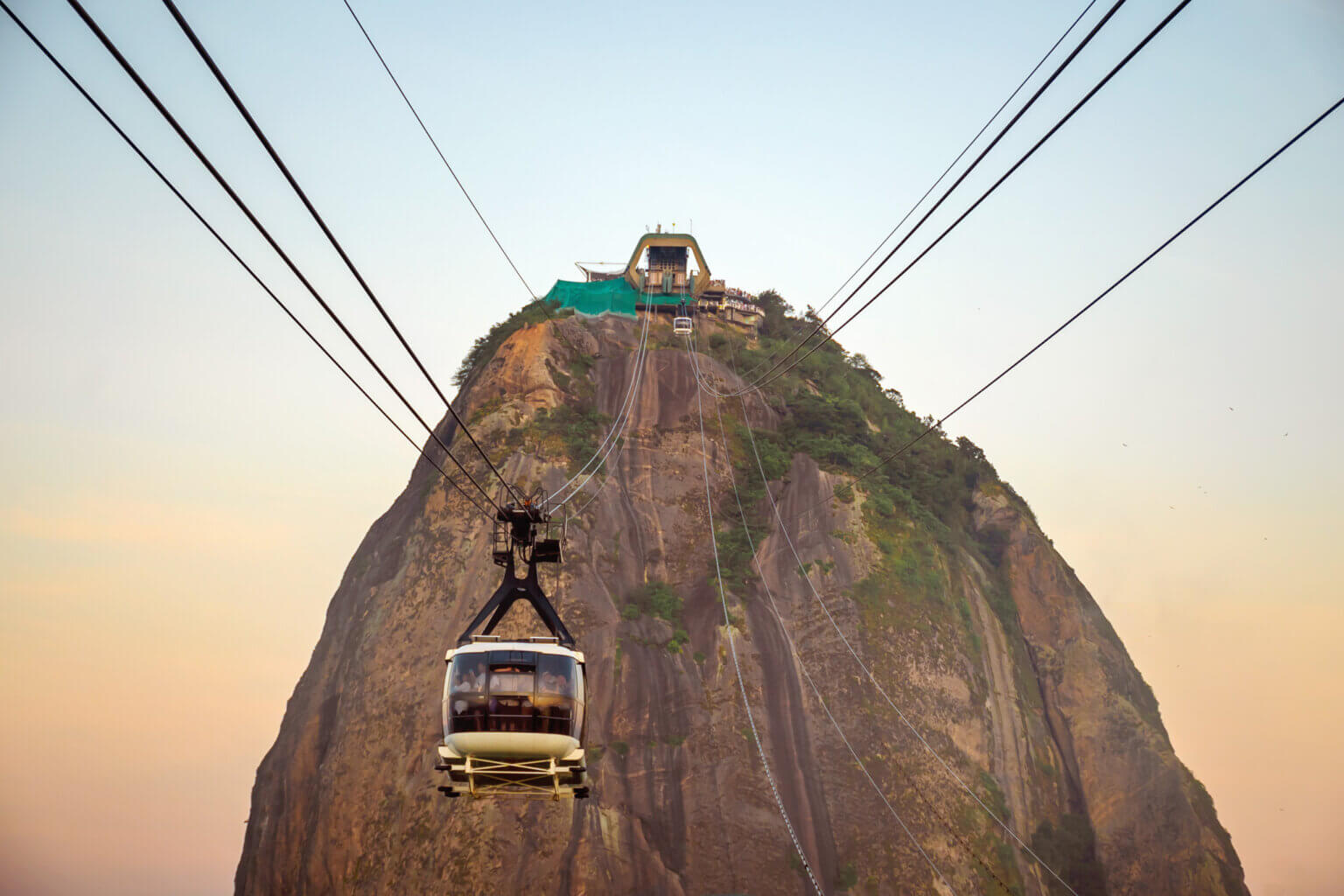
The best Sugarloaf cable car photos come from the two-stage ride itself, which runs daily from 08:30 to 20:00 — arrive between 08:30 and 17:30, early for emptier gondolas or late for sunset over Guanabara Bay. The glass on the cars is thick; shoot with the lens close to the pane. Weather, not timing, decides the day.
Rio's cableway opened on 27 October 1912, the third such system built anywhere in the world. Augusto Ferreira Ramos spent three years convincing the city that a steel wire strung over Urca was safe. The first cars were wooden boxes holding 22 passengers. The current gondolas are glazed from floor to ceiling and carry 65. That one design change explains why most Sugarloaf cable car photos taken today look nothing like the postcards of fifty years ago — the frame is uninterrupted, and Guanabara Bay falls away in a single unbroken sweep. The journey is two stages, not one. The first leg lifts from Praia Vermelha to Morro da Urca at 220 metres; the second crosses to the summit of Pão de Açúcar at 396 metres. The two legs face different directions, and this is the detail most visitors miss. Corcovado and Christ the Redeemer stand inland to the west, above Botafogo Cove. The open Atlantic, the Rio-Niterói bridge and the far shore lie to the east. Riders who treat the mountain as a single viewpoint often return with the same composition twice. Light is the second variable, and it is seasonal. The southern-hemisphere winter, roughly June through September, brings the driest air of the year; August visitors frequently get horizon-to-horizon definition across the bay. Summer afternoons stack cloud over the Tijuca range and soften everything beyond a few kilometres. The bondinho do Pão de Açúcar runs in light rain, but the glass fogs and the summit can sit inside cloud with no warning. Checking the forecast on the morning of a visit is worth more than any equipment decision. Two practical consequences follow. Anyone browsing sugarloaf cable car photos before travelling should assume most were made within a few metres of each other, at the summit railings, on a clear winter morning — a useful benchmark, not a promise. And because the cars fill quickly through the middle of the day, the difference between a clean shot and a crowded one is usually the queue, not the camera. Securing the ride in advance removes the longest variable from the day; the sections below set out the exact vantage points, the hours and the timing for one of Rio de Janeiro's most photographed landmarks.
“The mountain is not one viewpoint but two, and the second faces the other way.”
Morning light
View of the initial cable car ascent from the beach sand.
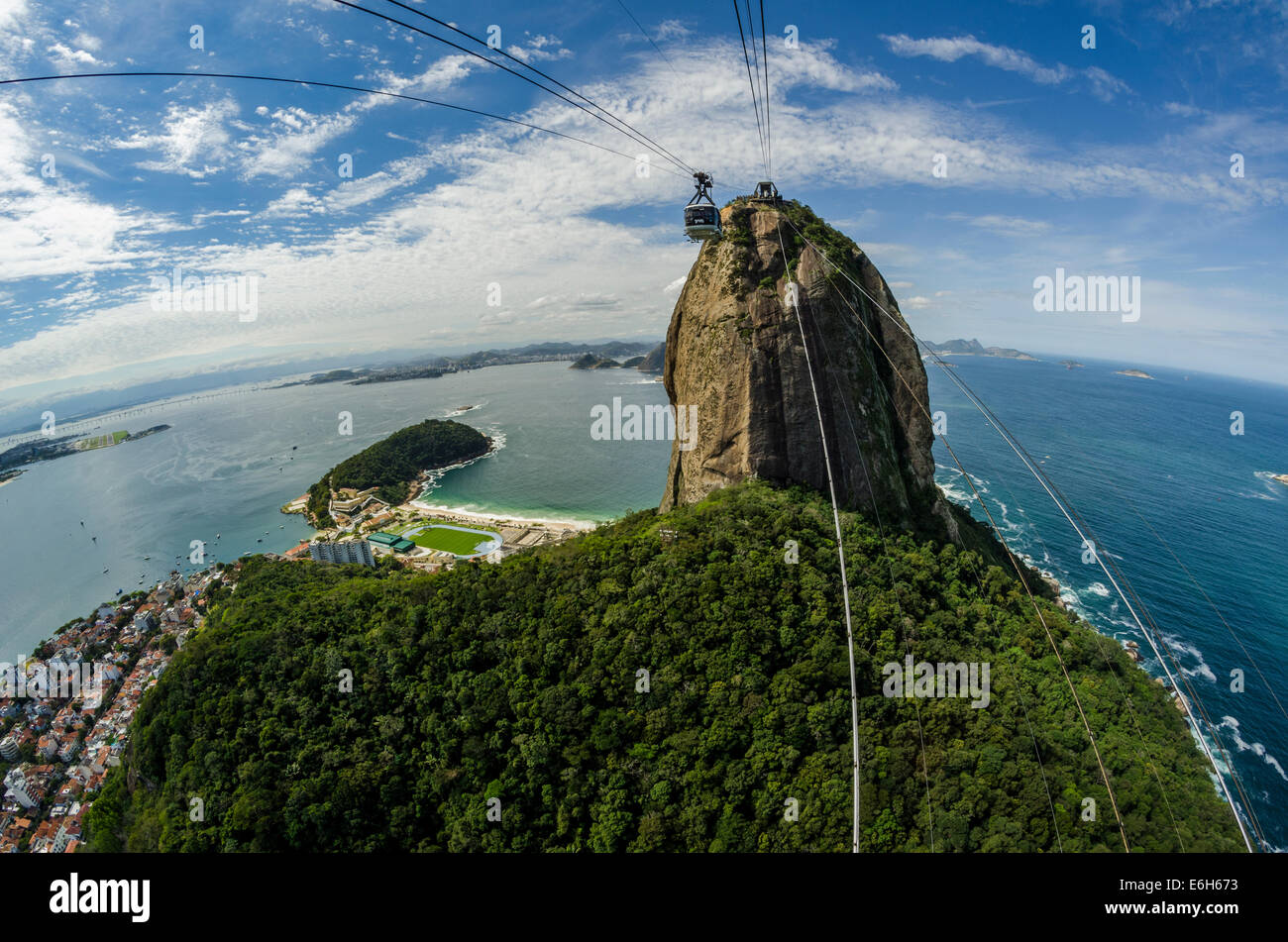
Midday or afternoon
Wide-angle shot featuring the cable car passing over the green mountain slopes.
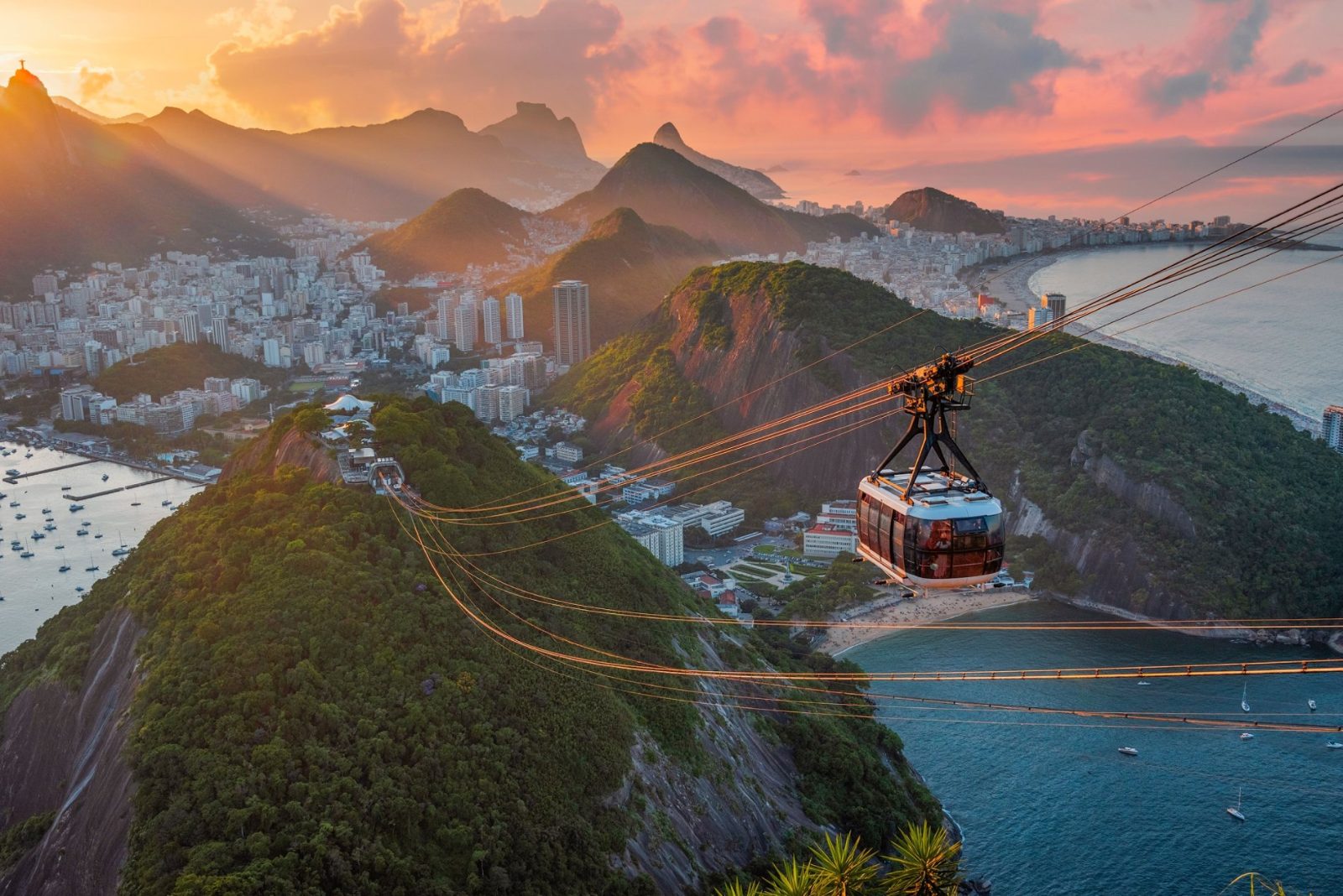
Golden hour
Panoramic view of the city with the cable car in the foreground.
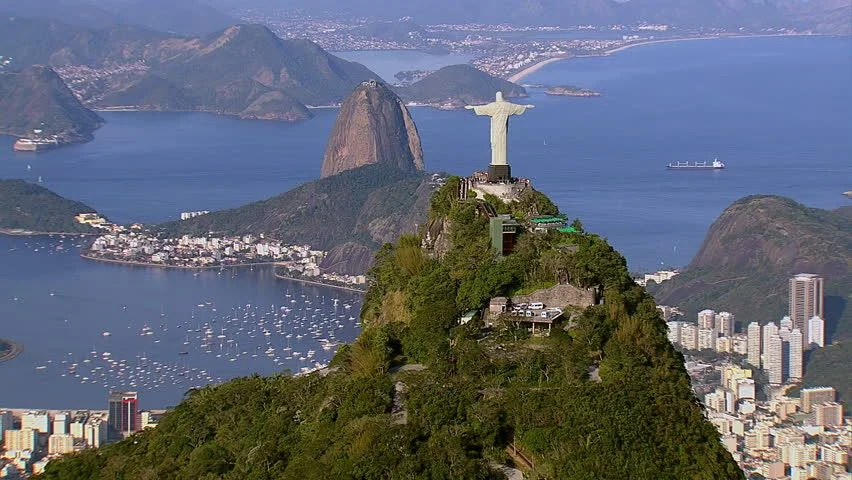
Clear skies
Captured angle of the Christ the Redeemer statue from the Sugarloaf peak.
The best arrival window is 08:30–17:30, balancing crowd density and lighting conditions for photography. Arriving early provides lower visitor volume, while late afternoon offers optimal light for sunset images.
—
Arrive at 08:30 to photograph the landscape with fewer people in your frames.
Mild temperatures between 20°C and 25°C
Clearer skies provide higher visibility for long-range photography.
Spring temperatures average 21°C to 26°C
Pleasant weather supports extended time on the observation decks.
—
The golden hour provides soft, warm light ideal for capturing the city transition to twilight.
Verdict: The concrete best slot for photography is Tuesday to Thursday, arriving at 08:30 during the months of April or October.
The Sugarloaf cable car operates on a consistent daily schedule to accommodate visitors throughout the week.
The Sugarloaf Cable Car terminal is located at Av. Pasteur, 520 in the Urca neighborhood. Visitors typically reach this site via taxi, rideshare, or local bus lines that connect to the Urca peninsula.
Direct to Av. Pasteur, 520
Line 107 or 513 to Av. Pasteur
Via Av. Lauro Müller to Av. Pasteur
Direct your driver to the Praia Vermelha terminal located at Av. Pasteur, 520. Since parking near the base is limited, using a taxi or rideshare service is the most efficient way to arrive at the entrance.
Visitors often combine a trip to Sugarloaf Mountain with a visit to Corcovado to capture Rio de Janeiro from its two most iconic vantage points. These locations offer complementary perspectives of the city landscape and coastal geography.
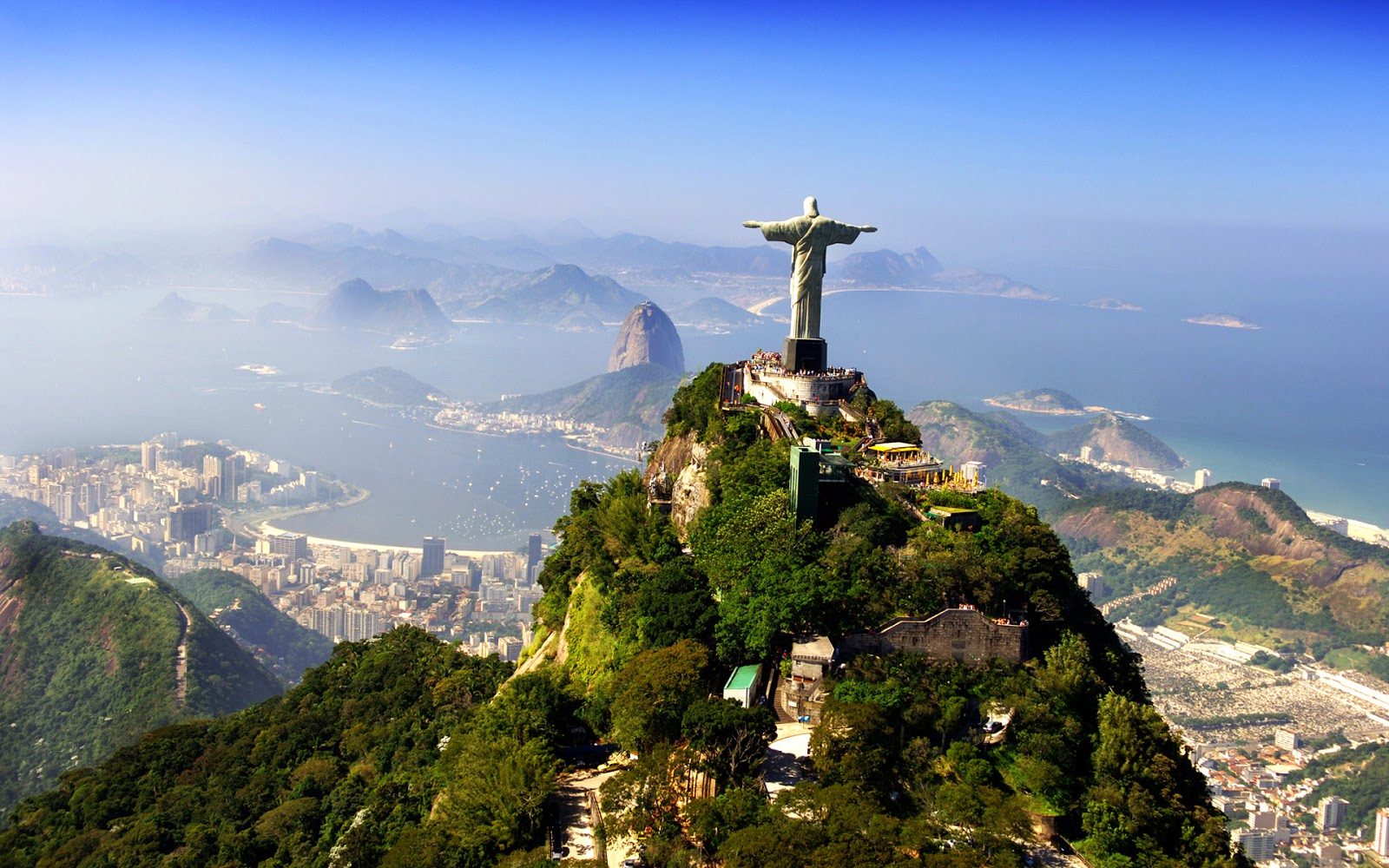
~40 min drive
While Sugarloaf provides a view of the bay and city, Corcovado offers a high-altitude perspective of the entire peninsula, making them ideal for contrasting aerial photography.
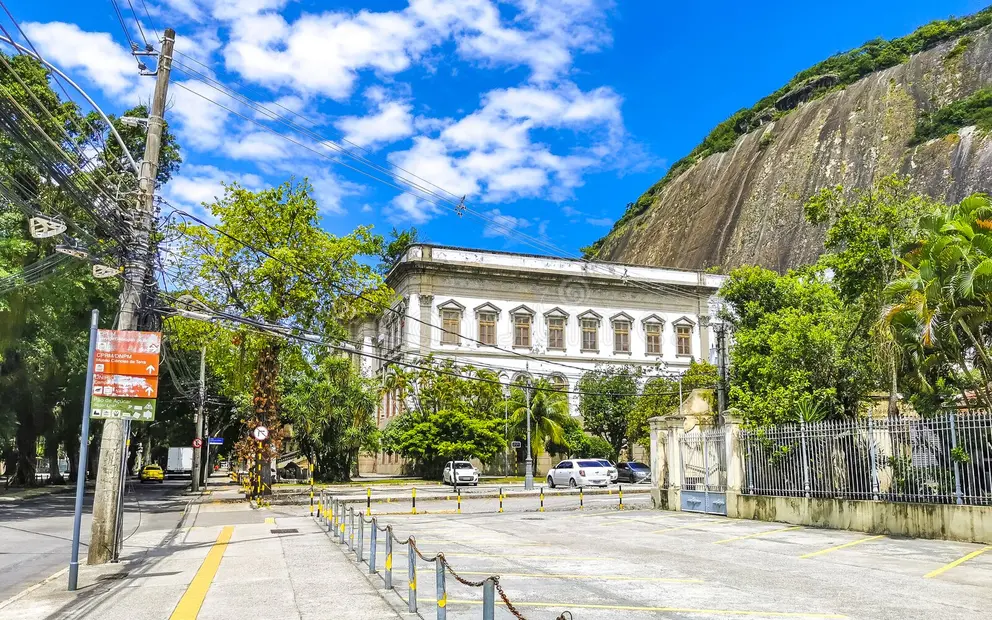
5 min walk
This historic district sits at the base of the cable car station and provides ground-level views of the mountain, serving as a quiet contrast to the summit experience.
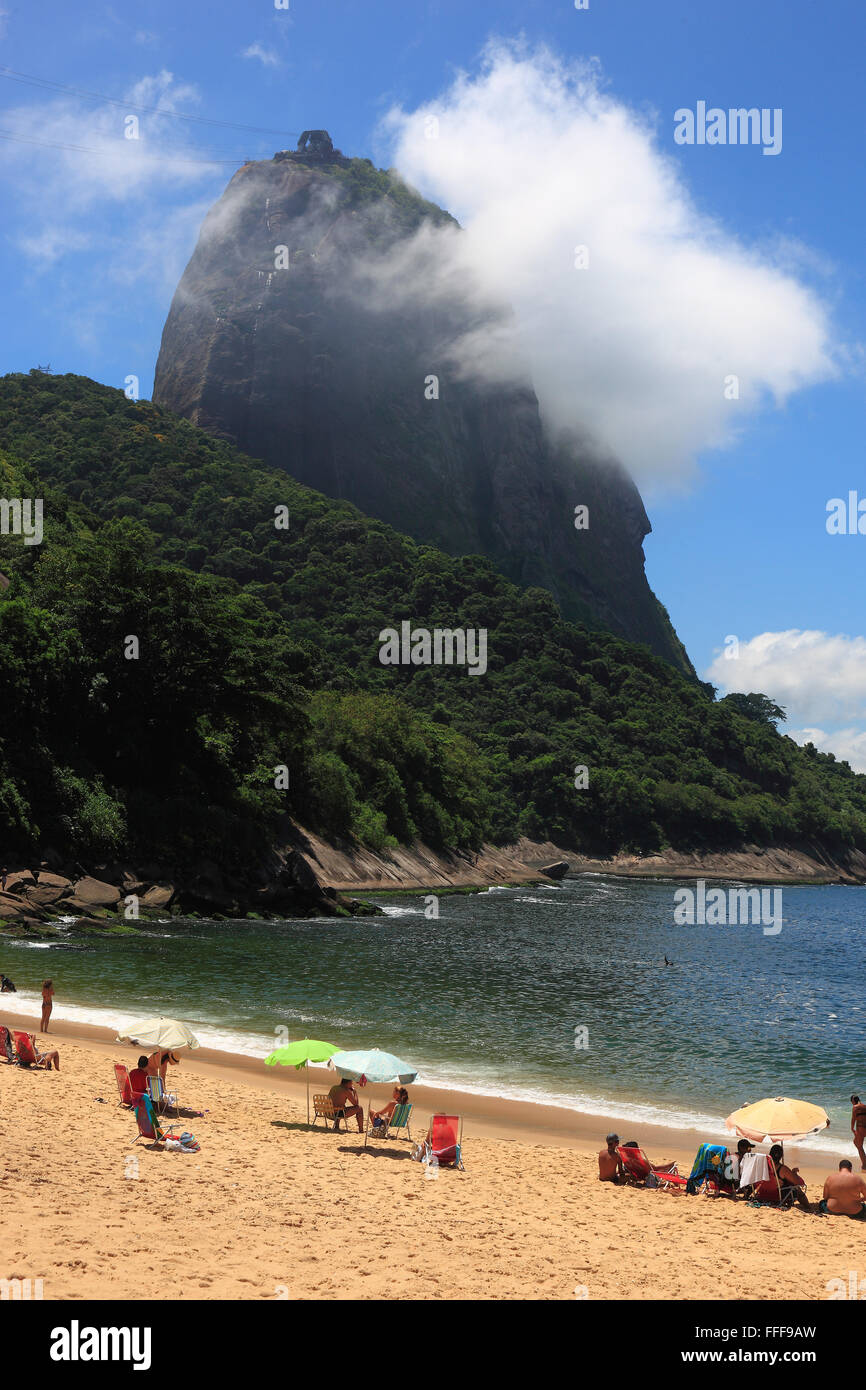
5 min walk
Located adjacent to the cable car base, this beach offers a unique perspective looking up at the Sugarloaf cliffs, perfect for capturing the scale of the formation.
Everything you need to know about sugarloaf cable car photos
Yes, visitors are welcome to take sugarloaf cable car photos from the various observation decks and transit points. Please ensure you remain within designated public areas to capture the granite peak and surrounding bay.
The best arrival window for light is 08:30–17:30, as arriving early helps avoid crowds and late afternoon provides golden hour lighting. This timing is ideal for securing clear sugarloaf cable car photos without excessive congestion in your frame.
The standard adult round-trip cable car ticket is 160 BRL. This provides access to the primary infrastructure and panoramic platforms managed by the official operator.
While handheld cameras and mobile devices are permitted, professional equipment like large tripods may be restricted in busy areas to ensure visitor safety. It is best to check with staff on-site regarding equipment policies to ensure your sugarloaf cable car photos session proceeds smoothly.
There is no direct cable car connection between Sugarloaf Mountain and Corcovado, as these are two separate geographic sites in Rio de Janeiro. You will need to arrange separate transport to visit both of these iconic coastal landmarks.
Avoid arriving during peak midday heat when the sun creates harsh shadows on the landscape. Planning your visit for early morning or late afternoon ensures better natural light for your observation deck images.